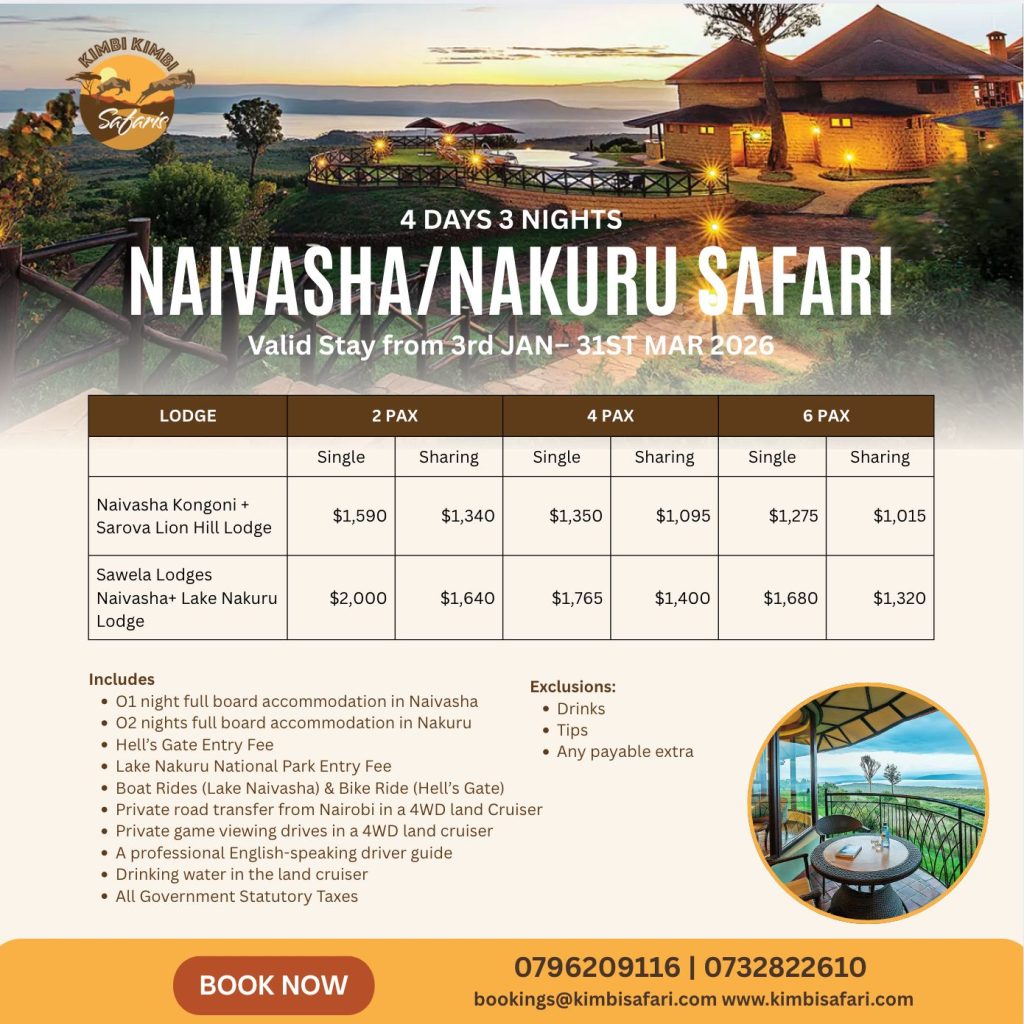
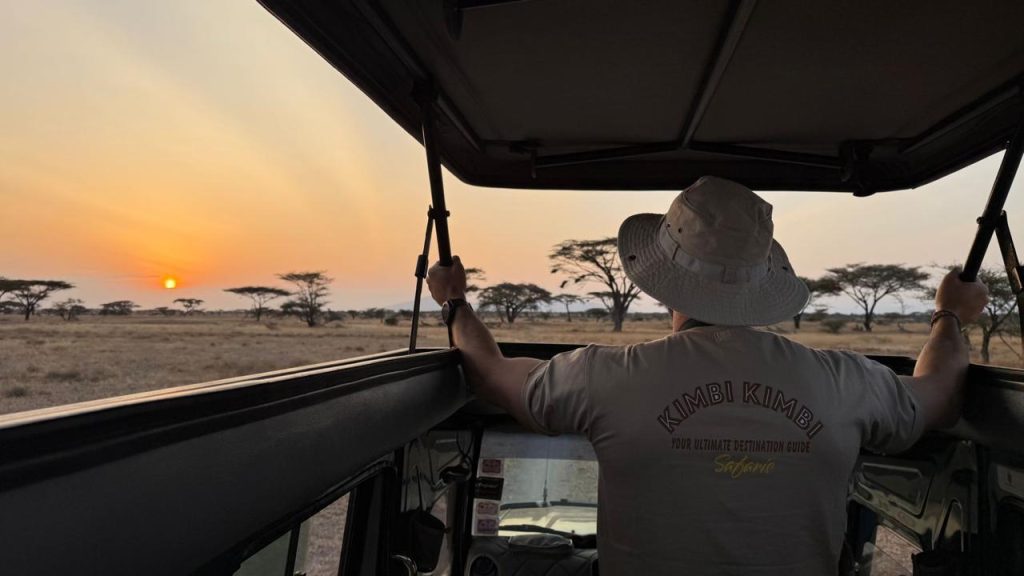
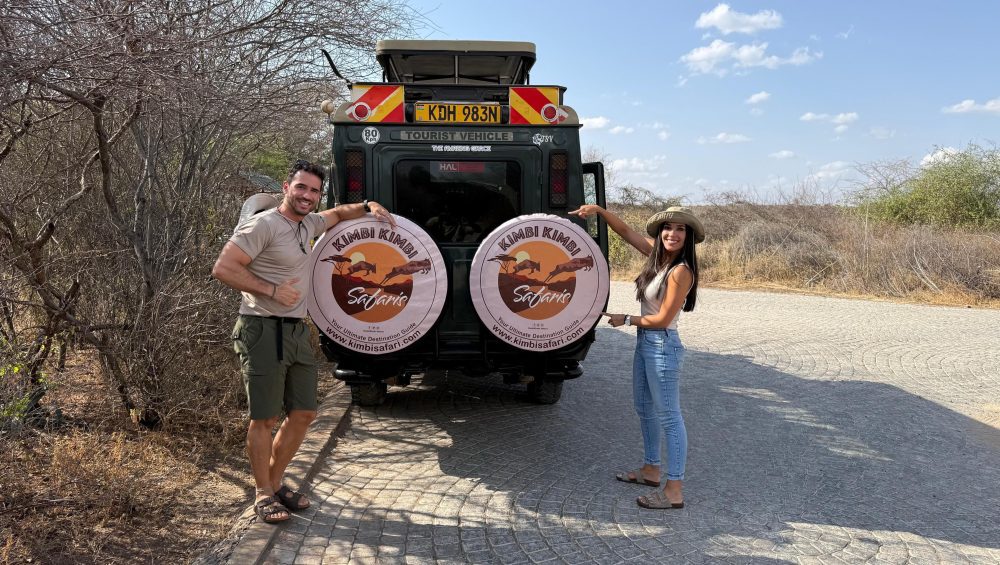
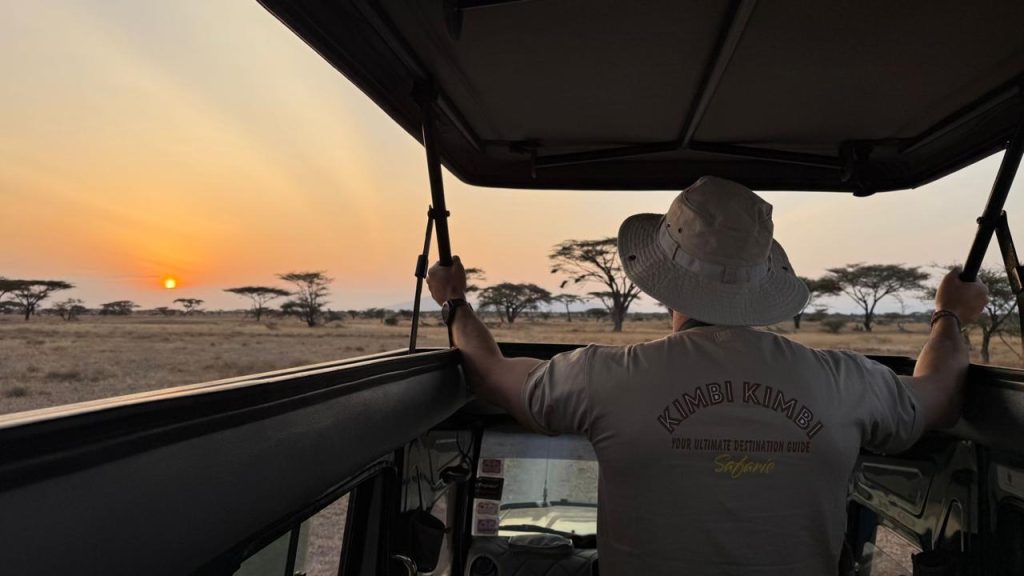
Experience the beauty of Kenya’s Great Rift Valley on a 4-day, 3-night safari to Lake Naivasha and Nakuru National Park. Explore the scenic landscapes, enjoy boat rides on Lake Naivasha, spot hippos and a variety of birdlife, and witness flamingos and wildlife including rhinos, giraffes, and lions in Nakuru National Park. This safari offers comfortable accommodations, exciting game drives, and an unforgettable introduction to Kenya’s rich wildlife and natural wonders.
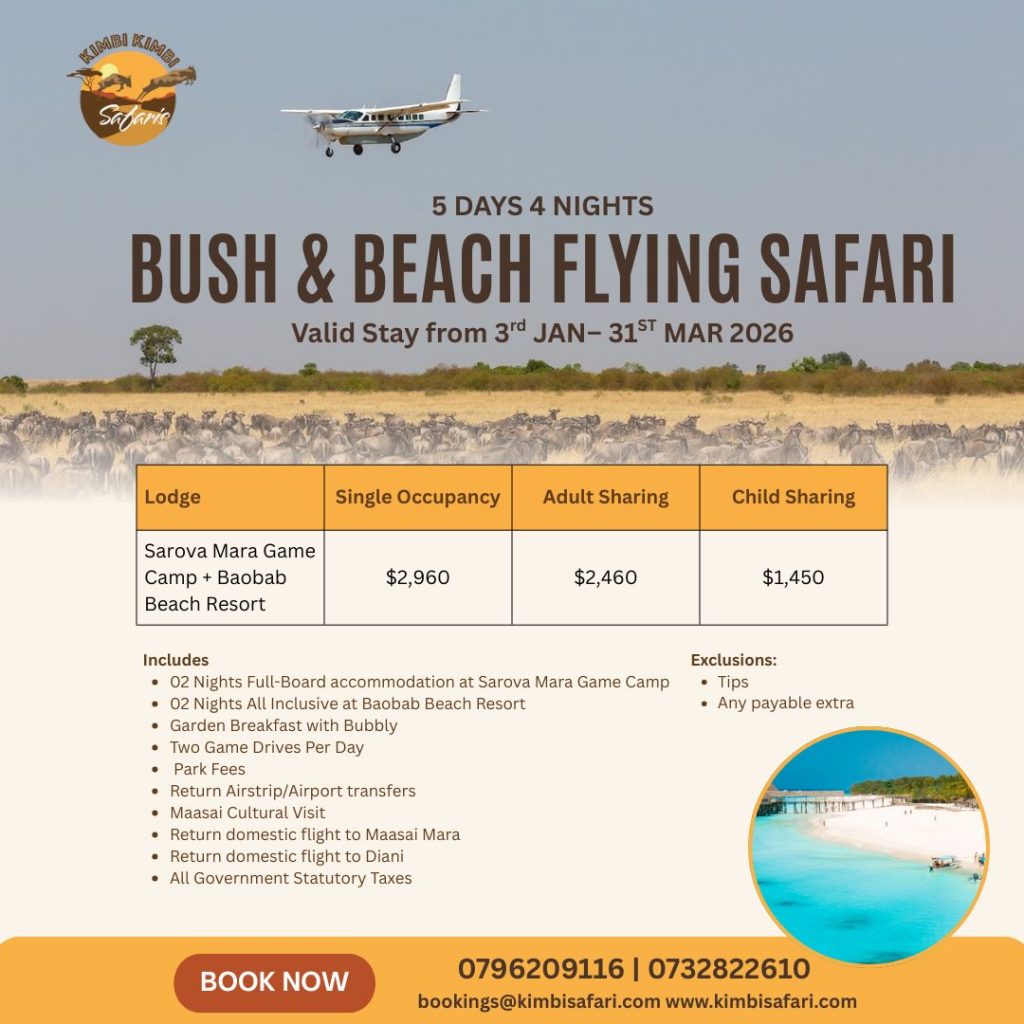
Valid Stay from 3rd JAN– 31ST MAR 2026
Recommended Hotels
Lake Naivasha Kongoni + Sarova Lion Hill Lodge
Sawela Lodges Naivasha + Lake Nakuru Lodge
Package Cost
LODGE
2 PAX
4 PAX
6 PAX
Single
Sharing
Single
Sharing
Single
Sharing
Naivasha Kongoni + Sarova Lion Hill Lodge
$1590
$1340
$1350
$1095
$1275
$1015
Sawela Lodges Naivasha+ Lake Nakuru Lodge
$2000
$1640
$1765
$1400
$1680
$1320
The Package Includes:
O1 night full board accommodation in Naivasha
O2 nights full board accommodation in Nakuru
Hell’s Gate Entry Fee
Lake Nakuru National Park Entry Fee
Boat Rides (Lake Naivasha) & Bike Ride (Hell’s Gate)
Private road transfer from Nairobi in a 4WD land Cruiser
Private game viewing drives in a 4WD land cruiser
A professional English-speaking driver guide
Drinking water in the land cruiser
All Government Statutory Taxes
The Package Excludes:
Drinks
Tips
Any payable extra
N/B
The rates are subject to Change and Availability as no booking has been done!
Arrive at the Maasai Mara airstrip and transfer to Sarova Mara Game Camp. Enjoy a garden breakfast with bubbly before settling in. Later, head out for your first game drive, returning to the camp for dinner and an overnight stay. Meal Plan: Full Board
Day 2: Maasai Mara
Enjoy an early morning game drive, followed by breakfast at the camp. Relax during the day or enjoy the lodge facilities. In the afternoon, depart for another game drive across the reserve. A Maasai cultural visit is included. Dinner and overnight at the camp. Meal Plan: Full Board
Day 3: Maasai Mara – Diani Beach
After breakfast, transfer to the airstrip for your domestic flight to Diani. On arrival, transfer to Baobab Beach Resort. Spend the rest of the day at leisure enjoying the beach and resort facilities. Meal Plan: All Inclusive
Day 4: Diani Beach
A full day to relax at the beach or enjoy the resort’s all-inclusive amenities. Optional water sports and leisure activities are available (extras payable). Meal Plan: All Inclusive
Day 5: Diani – Departure
Enjoy breakfast at the resort. Later, transfer to the airport for your onward journey. Meal Plan: Breakfast
The Package Includes:
02 Nights Full-Board accommodation at Sarova Mara Game Camp
-4 Nights accommodation in Cairo hotel -Daily Breakfast -Giza Pyramids, enigmatic Sphinx and the Valley Temple -Shopping tour at the Papyrus Bazaar and Perfume Bazaar -Grand Egyptian Museum, the Citadelof Salah El-Dein -Visit the iconic Hanging Church -Visit Catacomb of Kom El-Shoqafa -Citadel of Qaitbay, proceed to the Library of Alexandria -Unleash your soul by visiting Montazah Palace -English speaking tour guide -Admission fees to the sights throughout the tours -Lunches at restaurant in Cairo & Alexandria -Hotel Check-In Assistance -Return Internatioal flight -Meet and greet service by our representatives at the airport -All transfers by a private air-conditioned vehicle
The Great Wildebeest Migration is one of nature’s most dramatic and breathtaking spectacles. Over 1.5 million wildebeest, accompanied by zebras and gazelles, move in a circular journey across the Serengeti–Mara ecosystem in search of fresh grazing. It is the largest land-based migration on Earth and a true bucket-list experience for safari lovers. With Kimbi Kimbi Safaris, you can witness this incredible natural wonder from the best vantage points in Kenya and Tanzania.
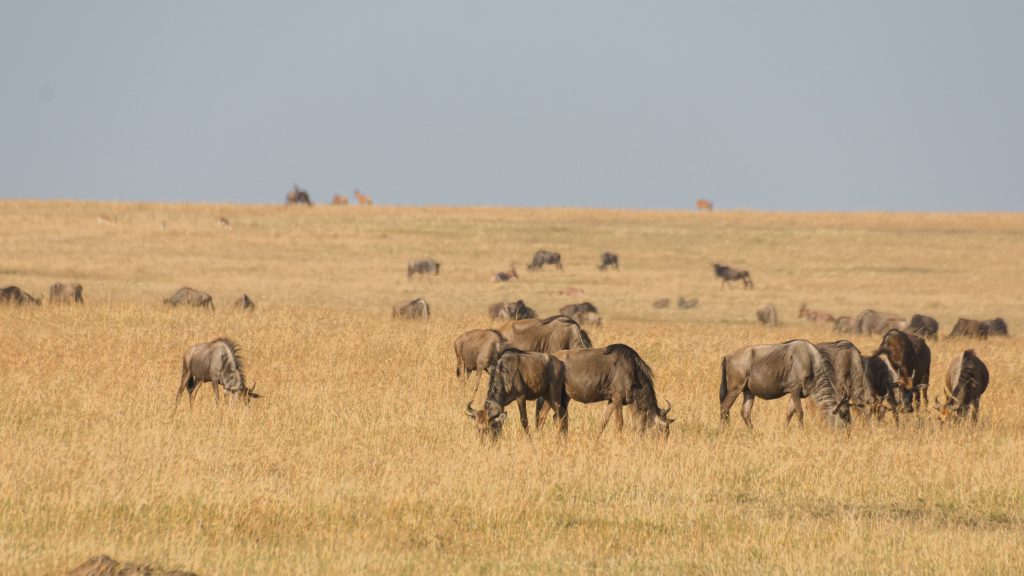
A herd of Wildebeest grazing in Serengeti, Tanzania.
What Exactly Is the Great Migration?
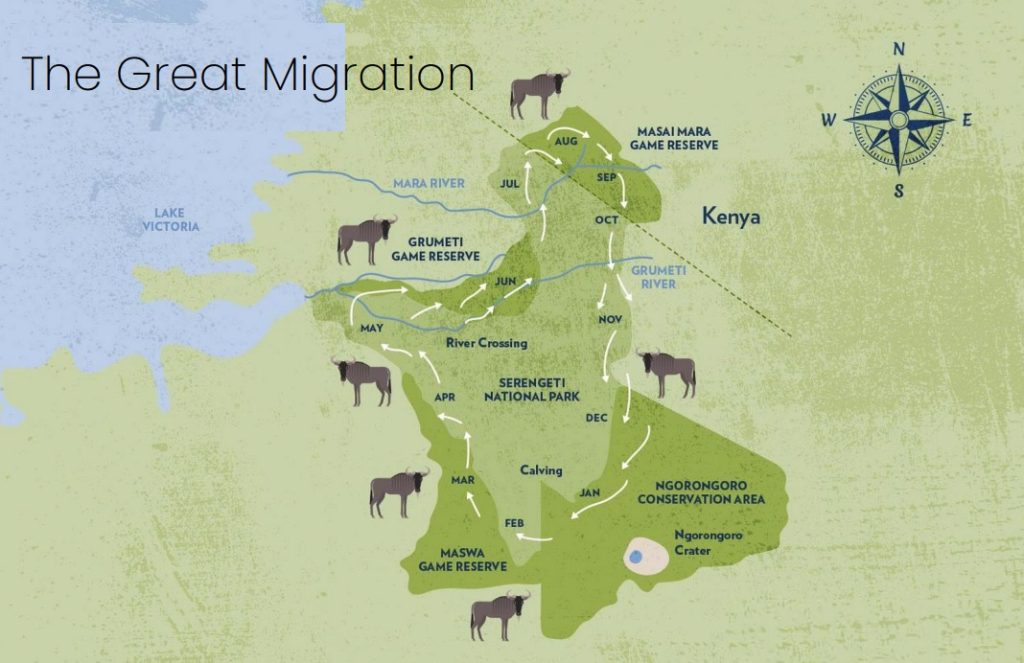
The Migration is a continuous, year-round movement of wildebeest driven by rainfall and the search for greener pastures. It covers roughly 1,800 miles annually and follows a clockwise route through Tanzania’s Serengeti, Maswa Game Reserve, Ngorongoro Conservation Area, and Kenya’s Masai Mara.
Key Facts: – Over 1.5 million wildebeest – Around 400,000 zebras – Thousands of eland and gazelles
Predators like lions, leopards, hyenas, wild dogs and crocodiles seize the opportunity to hunt, making the Migration a thrilling blend of beauty, danger, and survival.
When Does the Migration Happen? A Month-by-Month Breakdown
Jan–Mar: Calving season in Ngorongoro Conservation Area and southern Serengeti / Maswa Game Reserve – newborn calves attract predators.
Apr–May: Herds trek north through central Serengeti.
June: Grumeti River crossing in Western Serengeti.
Jul–Oct: Famous Mara River crossing in Kenya’s Masai Mara & Northern Serengeti.
Nov–Dec: Return south toward Serengeti as short rains start.
Where to See the Migration: Best Locations
Southern Serengeti, Maswa Game Reserve & Ngorongoro Conservation Area: Calving season & predator action.
Western Serengeti & Grumeti: Smaller river crossings.
Northern Serengeti & Masai Mara: Iconic Mara River crossings.
Masai Mara National Reserve: High wildlife density & easy access.
How to Experience the Migration: Your Options
Guided Safari Game Drives: 4×4 adventures with experienced guides.
Hot Air Balloon Safari: View thousands of animals from above at sunrise
Luxury Lodges & Camps: Stay near key river crossing points.
Combined Kenya + Tanzania Safari: Witness multiple migration stages
Best Time to See the Migration
The best months for most travelers are:
July–October: Mara River crossings.
January–March: Calving season in Ngorongoro, southern Serengeti, and Maswa.
Conclusion
The Great Wildebeest Migration is a natural masterpiece you must experience at least once in your lifetime. From the thundering hooves to predator action and dramatic river crossings, every moment is unforgettable.
At Kimbi Kimbi Safaris, we plan personalized safari experiences that place you right where the action is, ensuring you witness the Migration at its peak.
Imagine waking up to the soft golden light of the Kenyan savannah, the distant roar of a lion echoing across the plains, and the scent of morning dew on acacia trees. A day on safari in Kenya is not just about spotting wildlife; it’s an immersive journey that connects you to nature, culture, and adventure. At Kimbi Kimbi Safaris, we bring this dream to life—letting you experience the magic of the wild from sunrise to sunset.
Early Morning: The Awakening of the Wild
Safari days start early—long before the sun peeks over the horizon. Guests are gently woken with a hot cup of coffee or tea, ready for the excitement that awaits. As dawn breaks, the savannah comes alive: elephants amble towards watering holes, zebras graze quietly, and giraffes stretch their long necks toward the first rays of light. Morning game drives are perfect for photography. The soft lighting creates a golden glow over the landscape, enhancing the dramatic scenes of wildlife in motion. Keep an eye out for predators-lions and cheetahs are most active during the early hours, making sightings even more thrilling.
A closeup of a lioness licking her face after hunting her prey, Maasai Mara
Midday: Lodge Comforts and Cultural Encounters
By late morning, you’ll return to your lodge for a hearty brunch or lunch. Most lodges blend luxury with authentic African charm, offering views of the wilderness right from your room. Some lodges provide shaded verandas, pools, or hammocks—perfect for a mid-day rest after an exhilarating morning drive. This is also a great time to engage with local Maasai or Samburu communities. Learn about traditional crafts, dances, and their deep connection to the land. A safari in Kenya is not only about wildlife—it’s about understanding the people who have lived in harmony with it for centuries.
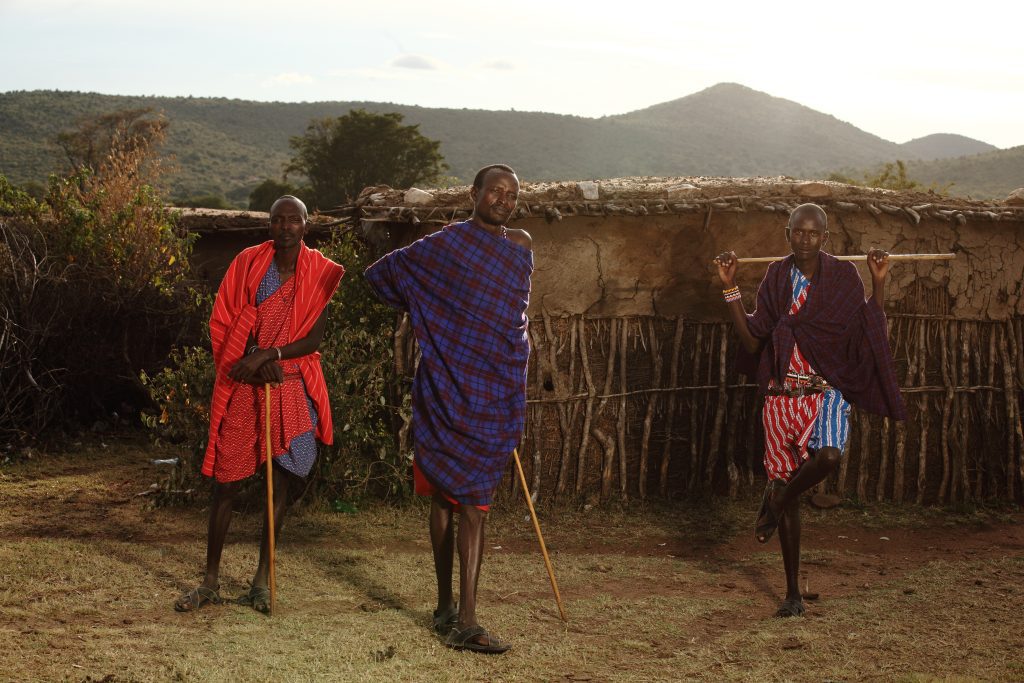
The Maasai Community, Kenya
Afternoon: Game Drives and Nature’s Surprises
As temperatures cool, it’s time for another game drive. The afternoon offers a different perspective of the wildlife. Predators lounge in the shade, while elephants and buffalo move lazily across the plains. Birdwatchers will delight in the vibrant species that appear during the heat of the day. The guide’s expertise is invaluable. Their knowledge of animal behavior increases your chances of spotting elusive creatures and provides fascinating insights into Kenya’s ecosystems. From tracking footprints to explaining the survival strategies of the savannah, every moment is educational and thrilling.
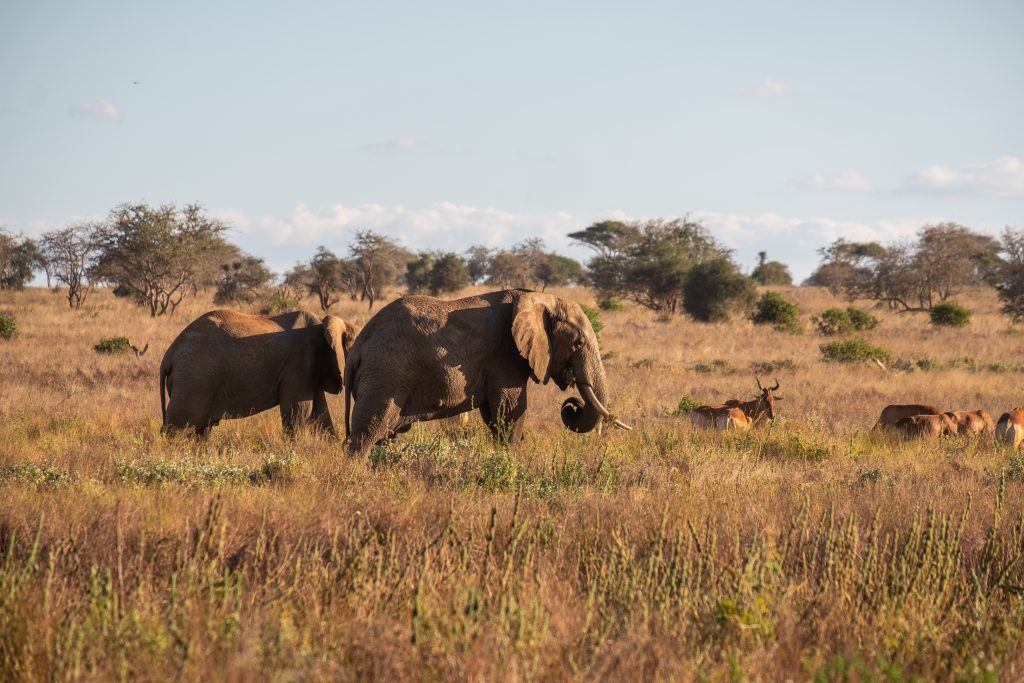
A herd of elephants and deer on a field in the jungle ,Maasai Mara, Kenya
Sunset: The Golden Hour in the Bush
One of the highlights of any safari is the evening sundowner. As the sun dips toward the horizon, the savannah is bathed in rich oranges and reds. With a refreshing drink in hand, guests can relax and reflect on the day’s adventures. Wildlife doesn’t rest just because the sun sets. Nighttime drives offer a chance to witness nocturnal animals—leopards, hyenas, and owls emerge, and the bush comes alive with the sounds of the wild. Every rustle and call tells a story, making this a magical and unforgettable experience.
The End of a Day, The Start of Memories
A day on safari in Kenya is an unforgettable journey from sunrise to sunset. It’s a blend of excitement, discovery, and reflection, leaving travelers with lifelong memories and a deep connection to Africa’s wildlife and culture. At Kimbi Kimbi Safaris, we curate each itinerary to ensure you experience the best of Kenya—from the thrill of game drives to the comfort of luxury lodges and the warmth of local communities.
Ready to experience the ultimate Kenya Safari Experience? Book your safari today with Kimbi Kimbi Safaris and create memories that will last a lifetime.
If you’re dreaming of a once-in-a-lifetime best safari destination in Africa, three countries always stand out: Kenya, South Africa, and Botswana. Each offers incredible wildlife, breathtaking landscapes, and unforgettable experiences — yet they’re completely different in style, budget, and adventure level. If you are in for some thrilling wildlife moments look no further. These African countries is where your safari adventure begins!
In this comparison, we break down the wildlife experiences, pros, cons, costs, safety, and best seasons for each country so you can choose the safari destination that fits you perfectly.
1. Wildlife Experience
Kenya: The Classic, Big-Five Safari Capital
Kenya is home to some of the densest wildlife populations on the planet,making it a premier safari destination for travelers seeking unforgettable encounters with Africa’s iconic animals. With a vast network of national parks and reserves, each offering its own unique ecosystem and wildlife experience, Kenya provides something for every type of safari-goer. From the expansive savannahs of the Maasai Mara, where the Great Migration unfolds in dramatic waves of wildebeest and zebras, to the wildlife-rich landscapes of Amboseli with its majestic elephants against the backdrop of Mount Kilimanjaro, the diversity is unparalleled.
Kenya is ideal for first-time visitors, who can enjoy organized safaris with expert guides, for photographers, who will find endless opportunities for stunning shots of wildlife and landscapes, and for migration enthusiasts, who witness one of nature’s most spectacular spectacles. Simply put, Kenya offers a safari experience that combines density, diversity, and accessibility, ensuring every visitor leaves with memories to last a lifetime.
What makes Kenya unique:
The Great Wildebeest Migration in the Masai Mara National Reserve.
Huge elephant herds in Amboseli National Park.
Diverse ecosystems: savannah, lakes, forests, mountains
With absolutely no doubt, Kenya has the most reliable wildlife sightings of all the three countries.
South Africa: Great for Beginners & Families
South Africa offers exceptional wildlife experiences, with world-renowned destinations such as Kruger National Park and exclusive private reserves like Sabi Sands providing abundant opportunities to see Africa’s iconic animals. While the wildlife density may not always match the dramatic herds of Kenya or the pristine wilderness of Botswana, South Africa compensates with well-developed infrastructure, easy accessibility, and a range of safari options.
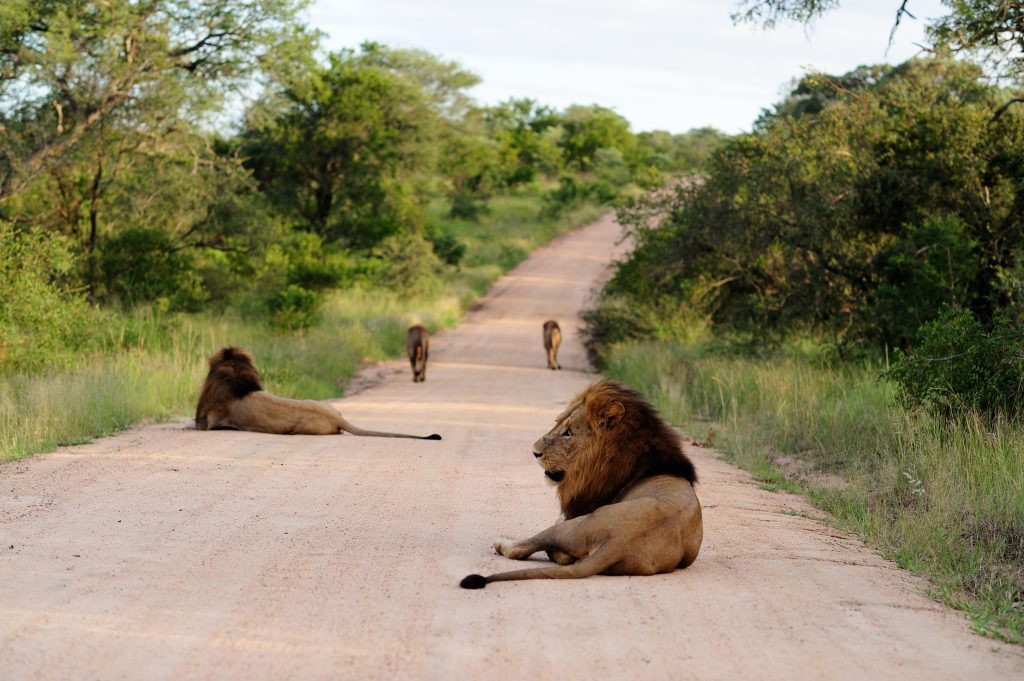
A group of magnificent lions Kruger National Park
Its parks are well-marked and navigable, making them ideal for self-drive safaris, where visitors can explore at their own pace. South Africa is particularly well-suited for first-time safari-goers, offering the perfect balance between thrilling wildlife encounters and convenience, ensuring a memorable, stress-free safari adventure.
Botswana: Wild, Exclusive, and Expensive
Botswana is a sanctuary of untouched wilderness, where nature thrives largely undisturbed by human activity. Its landscapes, from the labyrinthine waterways of the Okavango Delta to the vast savannahs of Chobe National Park, are breathtaking in their pristine beauty. The Okavango Delta, a UNESCO World Heritage site, is a seasonal floodplain that transforms into a watery wonderland, attracting hundreds of species of birds, elephants, hippos, and predators, offering an unparalleled safari experience. Meanwhile, Chobe’s expansive plains are famed for their massive elephant herds, some of the largest in Africa, as well as lions, leopards, and buffalo roaming freely across the untouched terrain. In Botswana, the wilderness is raw, intimate, and unspoiled — a place where every safari feels like a journey into nature in its purest form, while you certainly have to pay for that right? However, the parks might be hard to access with seasonal water levels limiting the activities.
Botswana is best for luxury and exclusivity seekers.
2. Budget Comparison
Below is the honest breakdown (mid-range travel and luxury cost) for the three countries:
Country
Average Mid-Range Cost (per person/day)
Luxury Cost
Kenya
$250–$450
$600–$1,600
South Africa
$200–$350
$400–$1,200
Botswana
$600–$1,200
$1,500–$3,000
Winner: Kenya (best value + wide range of choices)
Botswana is one of the most expensive safari destination in Africa due to strict low-impact tourism policies. This approach emphasizes exclusive, premium safari experiences rather than mass tourism to protect ecosystems and minimize environmental impact.
3. Best Time to Visit
a)Kenya
Best: June–October, January–February (dry season) for easy wildlife spotting and migration in July–October.
Bonus:Kenya has good safari conditions year-round.
b) South Africa
Best: May–September (winter/dry season) Animals gather around waterholes for easier viewing.
Bonus:Cape Town & Garden Route are great year-round.
c) Botswana
Best: May–October (dry season) for excellent game viewing and peak Okavango Delta floods
Each country is incredible — but Kenya is the most balanced safari destination in Africa, blending wildlife, culture, landscapes, affordability, and world-class experiences.
If you want a safari that feels wild, authentic, and unforgettable, Kenya remains the heart of African adventure.
FAQ
1. Is Kenya better than South Africa for a safari?
Kenya offers higher wildlife density, the Great Migration, and more diverse landscapes, making it ideal for first-timers, families, and photographers.
2. Is Botswana worth the higher cost?
Yes — Botswana is unmatched for exclusivity and untouched wilderness, especially in the Okavango Delta. It’s best for luxury travelers.
3. Which safari country is best for beginners?
South Africa is the easiest for first-time safari travelers due to smooth infrastructure, fenced private reserves, and modern lodges.
4. Which country offers the best Big Five sightings?
Kenya has the most consistent Big Five sightings across multiple parks, especially Maasai Mara and Amboseli.
5. Can I combine a safari with the beach?
Kenya is the best country for a safari + beach holiday due to easy access to Diani, Watamu, Lamu, and Zanzibar
Your Ultimate Destination Guide Kimbi Kimbi Safaris!
When travelers think of Kenya, they often picture the Big Five – lions, elephants, leopards, rhinos, and buffaloes. But beyond these iconic species lies a world of lesser-known wonders waiting to be explored. Kenya’s diversity stretches far beyond its famous reserves, offering secret destinations, rare wildlife, and authentic cultural experiences that reveal the country’s true spirit.
At Kimbi Kimbi Safaris, we believe every safari should tell a unique story. Let’s journey beyond the Big Five and uncover some of Kenya’s hidden safari gems.
Samburu National Reserve – The Land of the Special Five
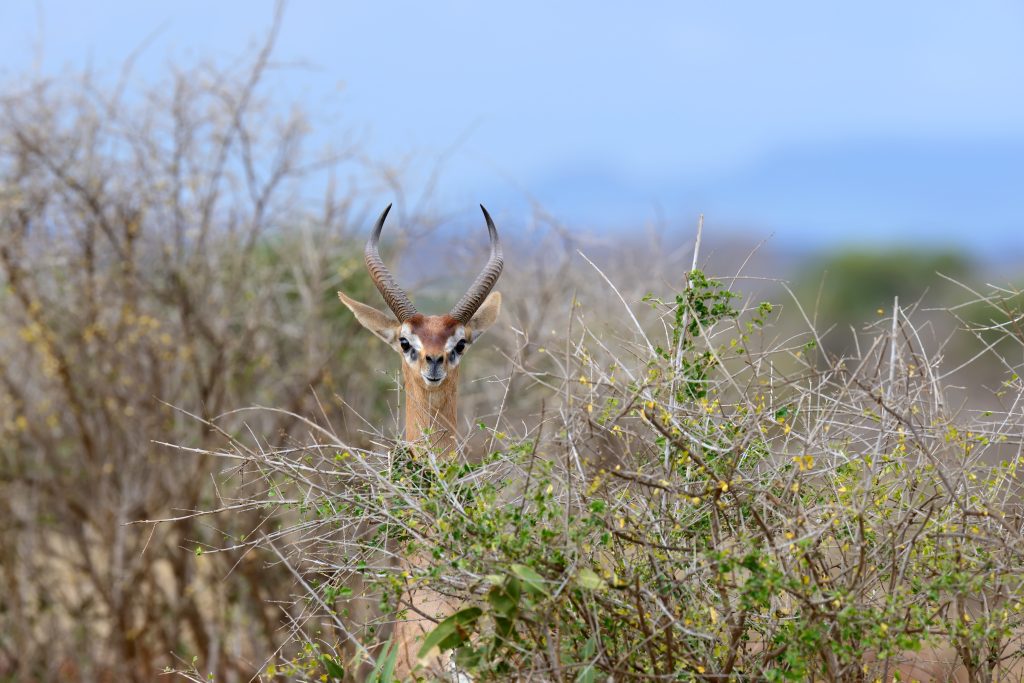
In northern Kenya, where rugged hills meet the Ewaso Nyiro River, lies Samburu – a land of striking beauty and distinctive wildlife. Here, you’ll encounter the Samburu Special Five: the Reticulated Giraffe, Grevy’s Zebra, Beisa Oryx, Somali Ostrich, and Gerenuk (the long-necked antelope that feeds while standing on two legs).
Gerenuk Standing Upright to Reach Leaves, Samburu, Kenya
Why Visit Samburu?
Rare wildlife species found nowhere else in Kenya
Authentic cultural experiences with the Samburu people
Dramatic landscapes and photo-perfect sunsets
Ideal travel time: June to October and December to March
Tsavo National Parks – The Untamed Wilderness
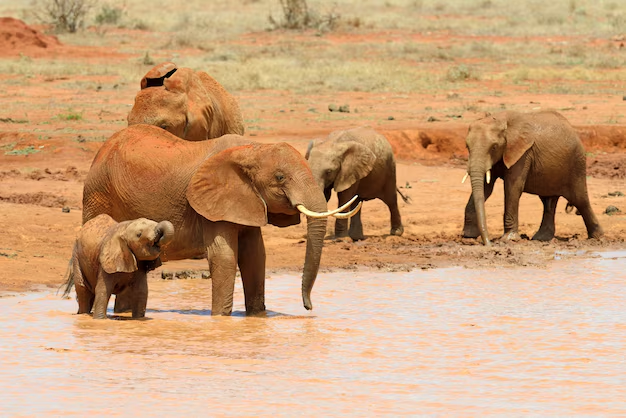
Tsavo East and Tsavo West together form one of the largest protected wilderness areas in Africa. Known for its red elephants, volcanic landscapes, and vast plains, Tsavo offers an untamed, raw safari experience away from the crowds.
Highlights of Tsavo
Massive herds of red-dusted elephants
The scenic Mzima Springs with crystal-clear waters and hippos
Shetani Lava Flows and Chyulu Hills for adventurous explorers
Ideal travel time: June to October for dry, open plains and easier wildlife spotting.
Lake Naivasha – Wildlife on Water
Set in the Great Rift Valley, Lake Naivasha is a tranquil paradise where hippos bask in the water and giraffes graze along the shores. A boat safari here offers a completely different perspective of Kenya’s wildlife.
What to Experience
Boat rides among hippos and birds
Crescent Island walking safaris with zebras and giraffes
Hiking near by Mount Longonot
Nearby Hell’s Gate National Park for hiking and cycling safaris
Ideal travel time: Year-round, with great weather most of the year.
Aberdare National Park – Forests, Waterfalls, and Wildlife
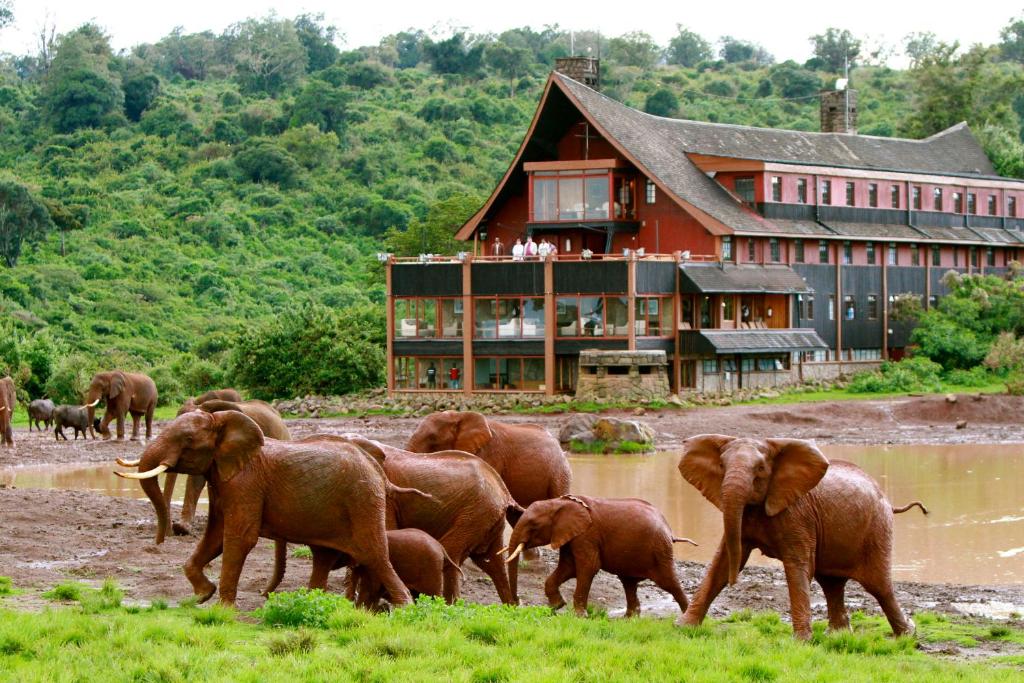
Hidden in central Kenya, the Aberdare Ranges are a cool, misty haven filled with waterfalls, dense forests, and wildlife that thrives in the shadows. This park is home to elephants, leopards, and the rare bongo antelope.
Enjoy your stay in tree lodges like The Ark or Treetops, where animals visit waterholes below
Majestic waterfalls like Karuru Falls
Perfect for photography, hiking, and peaceful retreats
Ideal travel time: January to March and June to October
Lamu Island – Culture Meets Coast
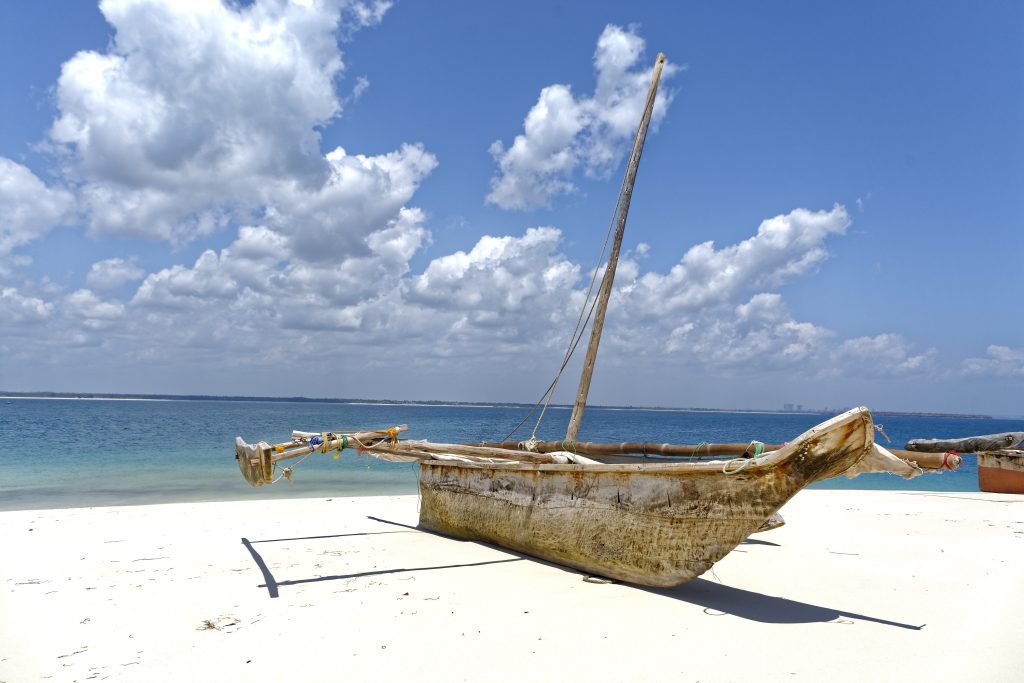
Beyond the mainland lies Lamu, Kenya’s oldest Swahili town and a UNESCO World Heritage Site. Though not a traditional safari destination, Lamu offers cultural depth, architectural beauty, and a laid-back island vibe that perfectly complements a bush adventure.
Lamu Island
Why Visit Lamu?
Explore ancient Swahili culture and architecture
Enjoy dhow cruises, pristine beaches, and delicious seafood
Combine with a mainland safari for a bush-to-beach escape
Ideal travel time: December to March for warm, calm coastal weather.
Why Go Beyond the Big Five?
Exploring Kenya’s lesser-known parks and reserves gives you more than just sightings — it connects you with nature, culture, and a deeper sense of adventure. You’ll support conservation efforts and local communities while enjoying an intimate safari experience far from the crowds.
Final Thoughts
Kenya’s beauty lies not only in its iconic wildlife but in its diversity — from Samburu’s dry savannahs to Lamu’s white sands. Whether you’re a first-time visitor or a seasoned traveler, stepping off the beaten path reveals a side of Kenya few ever see.
Plan Your Adventure with Kimbi Kimbi Safaris
Ready to explore Kenya beyond the Big Five? Let Kimbi Kimbi Safaris design a tailor-made itinerary combining offbeat destinations, local culture, and unforgettable wildlife encounters.
Book your Kenya safari today and uncover the hidden gems that make Kenya truly magical.
Kenya is one of Africa’s most iconic safari destinations, offering year-round wildlife sightings, dramatic landscapes and unforgettable cultural experiences. However, the best time to visit Kenya for a safari depends on what kind of experience you are looking for—whether it’s the Great Wildebeest Migration in the Maasai Mara, breathtaking elephant herds in Amboseli, or a serene green-season safari with fewer crowds. This guide breaks down the seasons in Kenya, the highlights of each month and when to combine your safari with a tropical beach escape in Kenya or Zanzibar.
Kenya Safari Seasons at a Glance
Kenya enjoys two major climatic seasons which influence wildlife movements and travel experience.
Season
Months
Highlights
Best For
Dry Season
June – October
Peak wildlife sightings, Migration
First-time visitors, Big Five safaris
Green Season
November – May
Lush landscapes, newborn wildlife
Photographers, bird lovers, budget travellers
Dry Season: June – October (Peak Safari Time)
This is the most popular and widely considered the best time to visit Kenya for a safari, especially for guests looking for classic African wildlife encounters.
Why Travel in the Dry Season?
Wildlife gathers around water sources, making sightings easier
Minimal rainfall and clearer skies
Fewer insects and mosquitoes
Ideal for photography
Best Parks During This Season
Maasai Mara– The legendary Great Wildebeest Migration
Amboseli– Clear views of Mt. Kilimanjaro and huge elephant herds
Samburu– Rare northern species like the Grevy’s zebra and reticulated giraffe
The Great Migration typically peaks from July to October, offering dramatic river crossings and predator action.
Green Season: November – May (Lush, Quieter & Budget-Friendly)
The green season is characterised by short bursts of refreshing rain followed by clear skies and vibrant landscapes.
Why Travel in the Green Season?
Safari lodges and camps often offer discounted rates
Fewer tourists for a more intimate safari experience
Calving season, especially January to March
Incredible bird watching with migratory species
Best Parks During This Season
Lake Nakuru National Park – Rhinos and colourful flamingos
Tsavo National Parks – Dramatic red elephants and wide open plains
Naivasha & Crescent Island– Scenic boat safaris and walking safaris
Best Time for Bush & Beach Combos (Kenya + Zanzibar)
Many safari travellers love to end their adventure with a relaxing stay along the Kenyan coast or Zanzibar’s tropical beaches.
Ideal Months for a Safari + Beach Holiday
June – October
January – March
Perfect Combinations
Maasai Mara + Diani Beach
Amboseli + Watamu
Samburu + Lamu Island
Serengeti + Zanzibar
Conclusion
While Kenya is a year-round safari destination, the best time to visit depends on your personal preferences:
For the Great Migration → July to October
For fewer crowds and good value → January to March
For photographers & birders → November to March
For lush landscapes & tranquillity → Green Season (Nov–May)
However whichever season you choose, Kenya offers breathtaking wildlife experiences and unique adventures in every corner of the country.
Frequently Asked Questions (FAQ)
1. What month is the best for a safari in Kenya? The best months for safari in Kenya are July to October, during the dry season when wildlife viewing is easiest and the Great Migration is at its peak in the Maasai Mara.
2. Is Kenya good for safari in December? Yes. December is part of the short rains season, but showers are brief and the scenery is green and vibrant. It is an excellent time for birdwatching and photography, and safari prices are often lower than peak season.
3. When is the Great Wildebeest Migration in Kenya? The migration typically arrives in the Maasai Mara around July and lasts until October, with river crossings often seen between July and September.
4. What is the cheapest time to visit Kenya for a safari? The most affordable time is during the green season (April–June) when many camps and lodges offer discounted rates and there are fewer tourists.
5. Is the green season worth it for safari? Absolutely. The green season offers lush landscapes, baby animals, dramatic skies for photography, and excellent birdlife. It is ideal for photographers, repeat travellers and guests seeking a quieter safari experience.
Book Your Kenya Safari with Kimbi Kimbi Safaris
Experience Kenya’s top wildlife destinations with expert guides, handpicked lodges and seamless safari planning from start to finish. Whether you’re dreaming of the Maasai Mara, Amboseli, Samburu or a bush & beach combination, we help you create a personalised journey that matches your style and budget.
Book your Kenya safari with Kimbi Kimbi Safaris – enquire today and let us help you plan the adventure of a lifetime.
Beyond Wildlife: Cultural Safaris & Local Stories with Kimbi Kimbi Safaris
When travelers think of safaris, they often picture Africa’s magnificent wildlife—lions, elephants, and endless savannahs. Yet, beyond the game drives and golden sunsets lies another story: the people, traditions, and cultures that define Kenya’s identity. At Kimbi Kimbi Safaris, we believe a true safari goes beyond wildlife; it connects you with the spirit of the land and the communities who call it home.
Discover the Human Side of the Safari
A cultural safari invites you to see Kenya through the eyes of its people. Spend a day with the Maasai, learning their customs, or join Samburu warriors as they share stories of harmony with nature passed down through generations. These moments turn your journey into more than sightseeing—they become meaningful encounters that reveal Africa’s living heritage.
Authentic Experiences, Not Performances
Kimbi Kimbi Safaris works closely with local families and village elders to ensure every experience is genuine and respectful. Culture here is not a staged performance; it’s a way of life. Guests can visit local markets, sample traditional dishes, or take part in storytelling sessions around an open fire. You may even learn to bead intricate jewelry or hear songs that echo across the plains.
Every visit directly supports the communities involved, helping sustain their traditions while offering travelers a rare, authentic perspective.
Travel with Purpose
When you choose a cultural safari with Kimbi Kimbi, you also support community-driven initiatives that promote education, conservation, and economic growth. Your journey contributes to a positive impact—preserving both cultural heritage and the environment that sustains it.
This approach to travel transforms tourism into a shared experience of respect, understanding, and empowerment.
Wildlife Meets Culture
Kimbi Kimbi Safaris combines the best of both worlds: thrilling wildlife encounters and cultural exploration. You might start your day tracking elephants in Amboseli, then spend the evening learning how the local communities coexist peacefully with them. The balance between nature and culture creates a deeper, more personal understanding of Kenya’s soul.
Start Your Cultural Safari
Kenya’s beauty is not just in its landscapes, but in its stories—told through its people, their music, and their traditions. With Kimbi Kimbi Safaris, you’re not just a visitor; you become part of a living story.
Plan your next adventure with us and discover a side of Africa that goes beyond the wild. Contact Kimbi Kimbi Safaris today to begin your cultural journey.